







Search Results for: Nicaragua COE
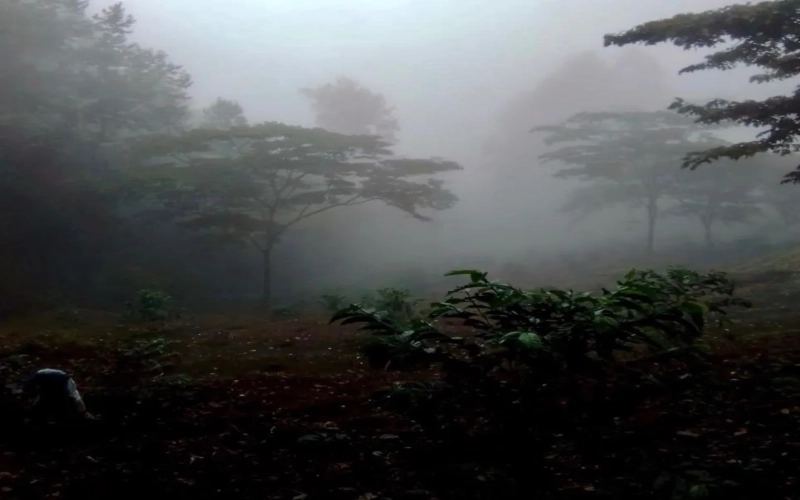
2024 Nicaragua COE Champion Alpine Estate: The Road to Consecutive Wins in the Nueva Segovia Region
The 2024 Nicaragua Cup of Excellence (COE) has concluded, with a sun-dried Geisha from Finca Los Alpes in the Nueva Segovia region winning the championship with a score of 91.1, successfully defending its title. This article will guide you through Nicaragua's coffee-growing environment and the distribution of its main production regions, and take a deeper look at this champion estate that has won the COE for two consecutive years. From the two farms owned by estate owner Olman Balladares, to the planting layout of varieties such as Caturra, Catuai, Bourbon, and Geisha, and to the coffee research and quality control team behind them, we will explore the origins of their excellent results. At the same time, Front Street Coffee will also recommend related products for you. [more…]
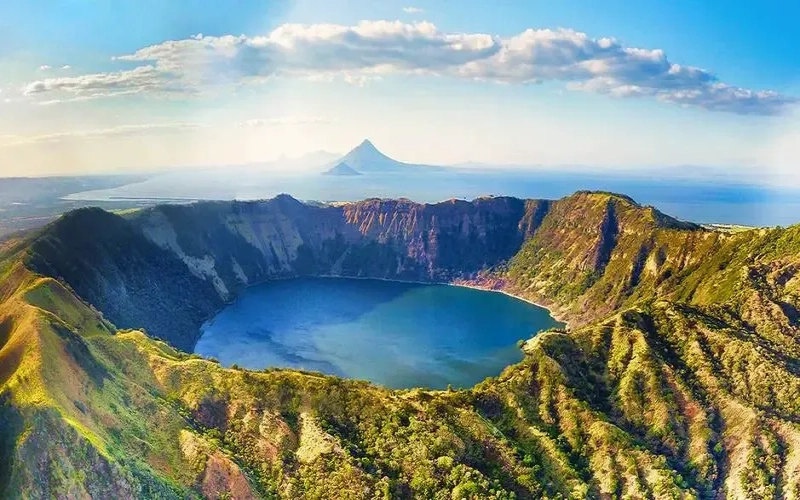
Nicaragua Nueva Segovia Coffee Region: High-Altitude Volcanic Soil and Emerging Prominence at COE
Central America has agriculture as its economic backbone, and its volcanic ash-rich soil and diverse climates have nurtured the coffee industries of countries such as Nicaragua. Although Nicaragua is not as renowned as Costa Rica or Panama, its growing conditions are by no means inferior. This article focuses on Nueva Segovia, one of the three major producing regions in the country's north—adjacent to Honduras, with the highest altitude and relatively low humidity, where concentrated sugars bring high sweetness and complex flavors. This region regularly appears on Nicaragua's COE list, and Los Suyates farm even won first place in 2022 and took second place in 2024. Front Street Coffee will also walk you through this coffee history, from the colonial period to the rebuilding of cooperatives. [more…]
2024 Nicaragua Cup of Excellence Results Announced: Pacamara Variety Debuts and Wins Runner-Up
The results of the 2024 Nicaragua Cup of Excellence (COE) competition were recently announced, with the Geisha variety continuing its strong performance, sweeping first, third, and fourth places, among which the natural Geisha won the championship with 91.10 points. However, the most eye-catching aspect of this competition was undoubtedly the Parainema variety, which made its first appearance in Nicaragua, winning second place with 89.85 points. This rare variety, which previously won the 2017 Honduras COE, has what kind of genetic origins behind it? Can it break buyers' prejudice against the cup quality of leaf rust-resistant varieties? This article will provide a detailed interpretation of the origins, development, and outstanding performance of Parainema in this competition, while also introducing Front Street Coffee's attention to and recommendation of this variety. [more…]
Nicaragua Finca La Providencia Caramel-Flavored Coffee Beans: A Full Analysis of the Growing Region, Processing Methods, and Flavor Characteristics
Nicaraguan coffee is known for its deep chocolate, caramel sweetness, and almond notes, with a bright yet soft acidity that is quite different from the typical high-toned fruity acidity of Central America. This article focuses on the COE award-winning bean from Finca El Cielo, outlining the unique volcanic soil and shade-growing conditions of the Dipilto region, analyzing the rich hazelnut-chocolate sweetness, tea-like body, grapefruit, and creamy flavors brought by the washed-then-natural processing method, and explaining its SHG grade, hand-picking, and suitability for medium roasting. At the end, it includes Front Street Coffee's reasons for recommending this bean, making it suitable for coffee lovers who dislike strong acidity and seek lasting sweetness and layered complexity. [more…]
What exactly does COE coffee bean refer to? Interpreting the international specialty coffee scoring system and auction mechanism
Many people see the word "COE" on coffee packaging when choosing coffee, but may not be clear about what it actually means. Cup of Excellence (COE for short) is a rating system for specialty coffee that scores and ranks coffees through multiple rounds of rigorous cupping, ultimately awarding the COE title to the most outstanding lots. This system was first introduced in Brazil in 1999 by a group of coffee producers, and subsequently spread gradually to producing countries such as Colombia, Guatemala, Panama, Costa Rica, and Nicaragua. For estates, receiving COE not only means honor, but can also fetch high prices in international online auctions, while boosting the profile and trading volume of the producing region. This article will unfold from three aspects—origin, competition process, and impact—to help coffee lovers understand the meaning and value of COE. [more…]
Front Street Bean Hunters' Notes: A Complete Analysis of the Flavor and Roasting of Nicaragua Los Congos Estate Villa Sarchi Natural Coffee
Although Nicaragua is not as well-known as other Central American countries, it possesses high-altitude shade-growing conditions and fertile volcanic soil that are no less impressive. The Villa Sacchi natural bean from Los Congos Estate, sourced this time by Front Street Coffee, comes from the Nueva Segovia region, at an altitude of 1,350 to 1,650 meters, SHG grade. The estate insists on self-sufficiency and organic cultivation, and its Pacamara once won runner-up in the COE. This Bourbon varietal bean, after natural processing, presents intertwined flavors of floral notes, citrus, berries, cream, and peanut, with a full and balanced mouthfeel. Front Street Coffee's roaster adopted a lower bean-charging temperature with a medium flame that gradually decreases, developing for 1 minute and 50 seconds after first crack, and dropping at 195°C, performing excellently in both cupping and pour-over. [more…]
Nicaragua Mercedes Estate Coffee: An Analysis of Tropical Fruit Flavors, Regional Terroir, and Processing Method Characteristics
Tropical fruit flavors are a highly recognizable aroma type in coffee, with aromas such as passion fruit, mango, and pineapple often appearing in high-altitude sun-dried coffees from Africa and Central and South America. Starting from tropical fruit flavors, this article introduces several representative fruity Front Street Coffees and provides an in-depth analysis of the growing conditions, industry background, and processing method evolution of Nicaraguan coffee. The focus is on the Matagalpa region and the Limoncito Estate, understanding how their high-altitude shade-grown cultivation, hand-picking, and honey processing create delicate and rich fruit, herbal, and creamy notes, and how these factors together shape the unique charm of Nicaraguan specialty coffee. [more…]
2024 Mexico COE Competition Results Announced: An In-Depth Analysis of the Three Major Winning Varieties—Obata, Marsellesa, and Oro Azteca
As one of the most influential competitions in the global specialty coffee field, the Cup of Excellence (CoE) attracts top estates from producing countries to compete every year. The results of the 2024 Mexico COE competition have recently been officially announced. This edition of the competition, for the first time, adopted a grouping mechanism with three major categories: traditional washed, traditional natural and honey process, and experimental process. The list of winners includes both classic varieties well known to the public, such as Geisha and Bourbon, as well as relatively rare disease-resistant and high-yield varieties such as Obata, Marcelexa, and Oro Azteca. This article will guide you through an in-depth understanding of the breeding background, botanical characteristics, and cultivation performance of these three distinctive varieties, while also providing an overview of this edition's judging and auction mechanisms. [more…]
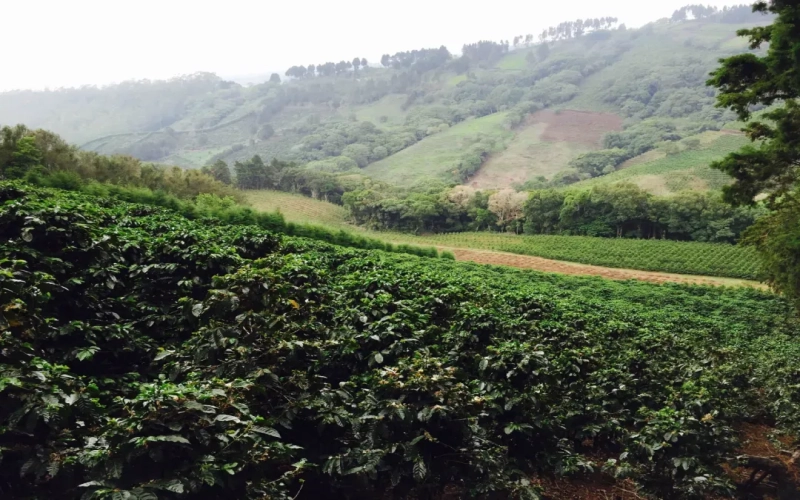
Exploring Costa Rica's Tarrazú Highlands: Coffee Cultivation at Finca Voo and Its COE Competition Success
Costa Rica is a pioneer of coffee cultivation in Central America and has now ranked as the world's fourteenth-largest coffee producer. Surrounded by volcanoes and with a mild climate, it provides ideal conditions for coffee growing. Among its seven major production regions, Tarrazu is the most famous, drawing attention for its high altitude and outstanding performance in the Cup of Excellence (COE). Located in the Copey de Dota area of Tarrazu, Finca Voo sits at an altitude of 1,960 meters and belongs to Café Solís & Cordero S.A. In recent years, it has repeatedly achieved excellent results in COE competitions. Front Street Coffee will take you deep into the terroir of this highland production region and the story of Finca Voo's rise. [more…]
Planting Background, Development Trajectory, and Java Variety Flavor Analysis of Bolivian Coffee Regions
Although Bolivia is hailed as an ideal place for growing coffee, its production has always been limited. The high altitude and diverse terrain give the coffee rich sweetness and soft acidity. It was with Bolivian Geisha that Miki Suzuki, runner-up in the 2017 WBC, won attention. However, steep roads, the temptation of coca cultivation, and the blow of leaf rust in 2013 have repeatedly brought twists and turns to the coffee industry of this landlocked South American country. From the glory of the COE competition to the export difficulties amid political turmoil, the revival of Bolivian specialty coffee cannot be separated from the perseverance of the Rodriguez family. They promote the Tomorrow's Sun project and have cultivated distinctive bean varieties such as Coco Natural Java. This article will introduce Bolivia's coffee-producing regions, historical context, and variety flavors, and Front Street Coffee also shares its cupping experience. [more…]
A Deep Dive into Don Cayito: A Renowned Estate in Costa Rica's Tarrazú Region
Although Costa Rica is not a large country, it is a force to be reckoned with on the coffee map of Central America. As the world's fourteenth-largest coffee producer, it has seven regions each with its own terroir, among which Tarrazu is known for its high altitude, ample rainfall, and the nourishment of warm, moist Pacific air currents, and is also a concentration of Cup of Excellence (COE) award-winning estates. At the 2024 COE, Don Cayito won first place with 93.62 points, once again making this family estate the center of attention. This article will guide you through Costa Rica's coffee geography and take a deep dive into the Santa Maria de Dota area of Tarrazu, sorting out Don Cayito's variety structure, family management lineage, and COE track record over the years, while also including Front Street Coffee's recommendation information for this estate, as a reference for coffee lovers when making purchases. [more…]
An Analysis of Honduran Coffee Aroma Characteristics: From COE Champions to Sweet Orange Estate Specialty Beans Overview
As an important coffee-producing country in Central America, Honduras has long been labeled as a source of "average-quality blended coffee," but the inaugural COE competition in 2004 made the world re-examine the terroir potential of this land. From the perspective of Front Street, this article will review Honduras's six major producing regions and distinctive micro-regions, with a focus on specialty coffee beans from Sweet Orange Estate in La Paz Department in the southwest and Mocha Estate in the Marcala region, analyzing the source of their orange aroma and their cupping performance. It also includes Front Street's roasting curve and brewing parameters for washed Caturra, providing coffee enthusiasts with a complete reference from understanding producing regions to hands-on brewing. [more…]

COE Cup of Excellence vs. SOE Single-Origin Espresso: A Coffee Guide from Green Bean Competitions to Espresso Extraction
In the world of specialty coffee, the two English abbreviations COE and SOE often confuse enthusiasts—they appear similar but actually point to completely different domains. COE stands for Cup of Excellence, the world's most authoritative specialty green coffee competition, first held by the Alliance for Coffee Excellence in Brazil in 1999 and since expanded to Colombia, Guatemala, Panama, and many other producing countries. SOE, on the other hand, is short for Single Origin Espresso, referring to espresso made from single-origin coffee beans. This article will systematically sort out the essential differences between the two from the perspectives of competition systems, judging procedures, and extraction characteristics, and explore the common question of whether SOE is necessarily superior to blended espresso. [more…]
Exploring Costa Rica's Western Valley: A Full Analysis of Coffee Cultivation at Blue Volcano Estate
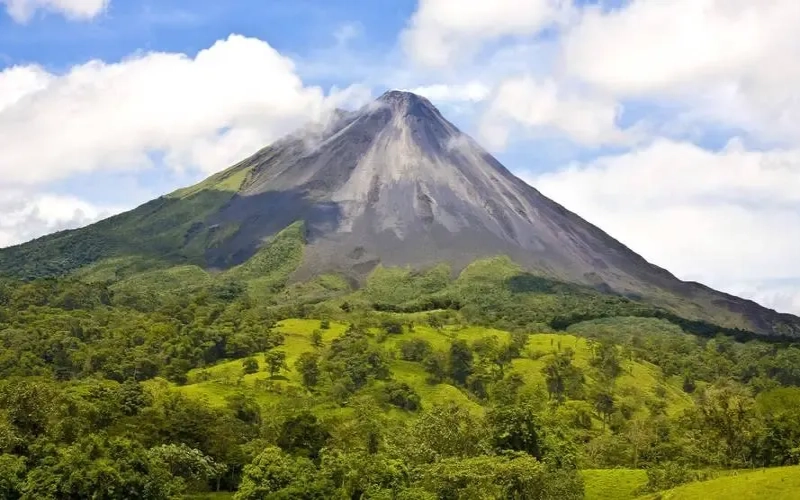
Costa Rica, as a major coffee-producing country in Central America, is known for its West Valley region, which is famous for its fertile volcanic soil and pleasant climate. Hacienda Blue Volcano is located here, and has not only stood out multiple times in COE competitions, but also won the championship in 2013. This article will guide you through the estate's historical heritage, cultivation philosophy, and rich variety of beans, and recommend related products from Front Street Coffee, making it suitable for every coffee enthusiast to explore in depth. [more…]
Honduras Coffee Regions, Grading, and Flavor Characteristics: Front Street Coffee's Selection of Sweet Orange Estate and Washed Caturra Introduction
Honduras, as an important coffee-producing country in Central America, was long classified as a "medium-quality blended coffee," but since hosting its first COE competition in 2004, its high-quality potential has gradually been recognized by the world. This article reviews Honduras's six major producing regions and emerging micro-regions, with a focus on two beans offered by Front Street Coffee—Sweet Orange Estate and Washed Caturra—covering origin information, cupping flavors, roasting curves, and brewing parameters, giving you a comprehensive understanding of this Central American producing country's coffee strength and unique charm. [more…]
Bolivian Coffee Beans | Why is Bolivian coffee rarely seen in China? What unique characteristics does Bolivian coffee have?w
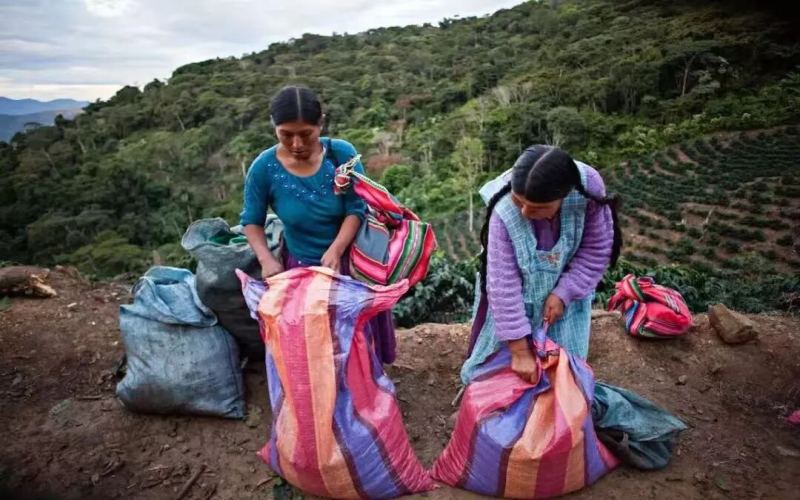
Bolivia is a fascinating place. Although it is called a paradise for coffee growing, its production has always been low. Front Street Coffee is deeply impressed by the delicate flavors of Bolivian coffee. In terms of flavor expression, Bolivian coffee is mostly characterized by rich sweetness and soft acidity. At the 2017 WBC (World Coffee [more…]

Flavor Analysis of Bolivian Geisha and Java Varieties: From Origin Challenges to the Rodriguez Family's Specialty Journey
Although Bolivia is hailed as an ideal place for coffee cultivation, its production has always been limited, yet its coffee impresses with rich sweetness and soft acidity. From the cupping perspective of Front Street Coffee, this article sorts through the historical ups and downs of Bolivian coffee, the distribution of producing regions, and cultivation models, focusing on how the Rodriguez family has driven the development of specialty coffee, and offering an in-depth analysis of the origins of the Geisha and Java varieties. The article also documents in detail a cacao natural Java coffee bean from Finca Valiki that Front Street Coffee cupped, presenting the unique charm of this bean in full, from processing method, roasting curve, to brewing parameters and flavor description. [more…]
Bolivia Geisha Coffee Flavor Analysis: The Story of the Java Variety and the Rodriguez Family's Specialty Journey
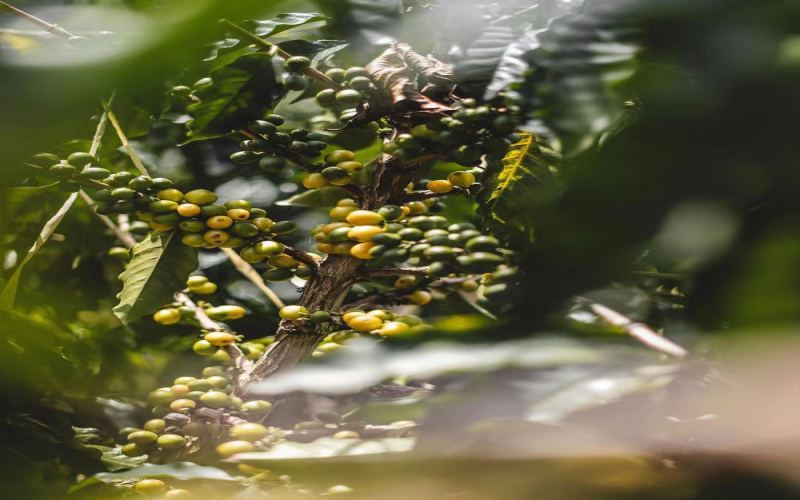
Although Bolivia is hailed as an ideal place for coffee cultivation, its production has always been limited, yet its coffee impresses with rich sweetness and soft acidity. At the 2017 WBC, Japanese competitor Miki Suzuki won the world runner-up title with a Bolivian Geisha, bringing this origin into the spotlight. The Java variety, known as Geisha's cousin, likewise offers an elegant and distinctive flavor. Front Street Coffee once cupped a Cacao Natural Java from the Rodriguez family, which was sweet and tangy with a creamy smoothness. This article will guide you through the development history of Bolivian coffee, its cultivation models, and the distribution of its producing regions, as well as how the Rodriguez family is driving specialty coffee forward, and provide a detailed analysis of the roasting and brewing performance of this Waliki Estate Java coffee bean. [more…]
Bolivia Coffee Full Analysis: Specialty Bean Flavor Characteristics, Cultivation History, and the Rodriguez Family Geisha Java
Bolivia is celebrated as an ideal place for growing coffee, yet its annual output has long remained low, at one point even falling to the level of a minor coffee-producing country. And yet this land has given rise to a Geisha that won the favor of a World Barista Championship runner-up, as well as the Java variety known as Geisha's cousin. From the high-altitude terroir of the Yungas region, to the Tomorrow's Sun project promoted by the Rodriguez family, and on to innovative experiments with the cacao natural processing method, Bolivian coffee has carved out a winding yet fascinating path toward specialty coffee. Front Street Coffee will guide you through the origins, development history, varietal characteristics, and flavor profile of Bolivian coffee, with a focus on cupping a cacao natural Java coffee bean from the Valiki estate. [more…]
A Complete Guide to Coffee Bean Varieties: A Flavor Map from Typica and Bourbon to Caturra, Maragogype, and Geisha
The world of coffee is far richer than we imagine. From the two main commercial species, Arabica and Robusta, to classic derivative varieties such as Typica, Bourbon, Caturra, and Maragogype, and on to the Geisha that has been so highly sought after in recent years, every variety carries a unique story of terroir and genetics. This article systematically sorts out the classification system of coffee varieties, explains in detail the origin, characteristics, and flavor performance of each variety, and includes Front Street Coffee's recommended tasting guide to help coffee lovers find their own cup among the dazzling array of beans on the menu. [more…]